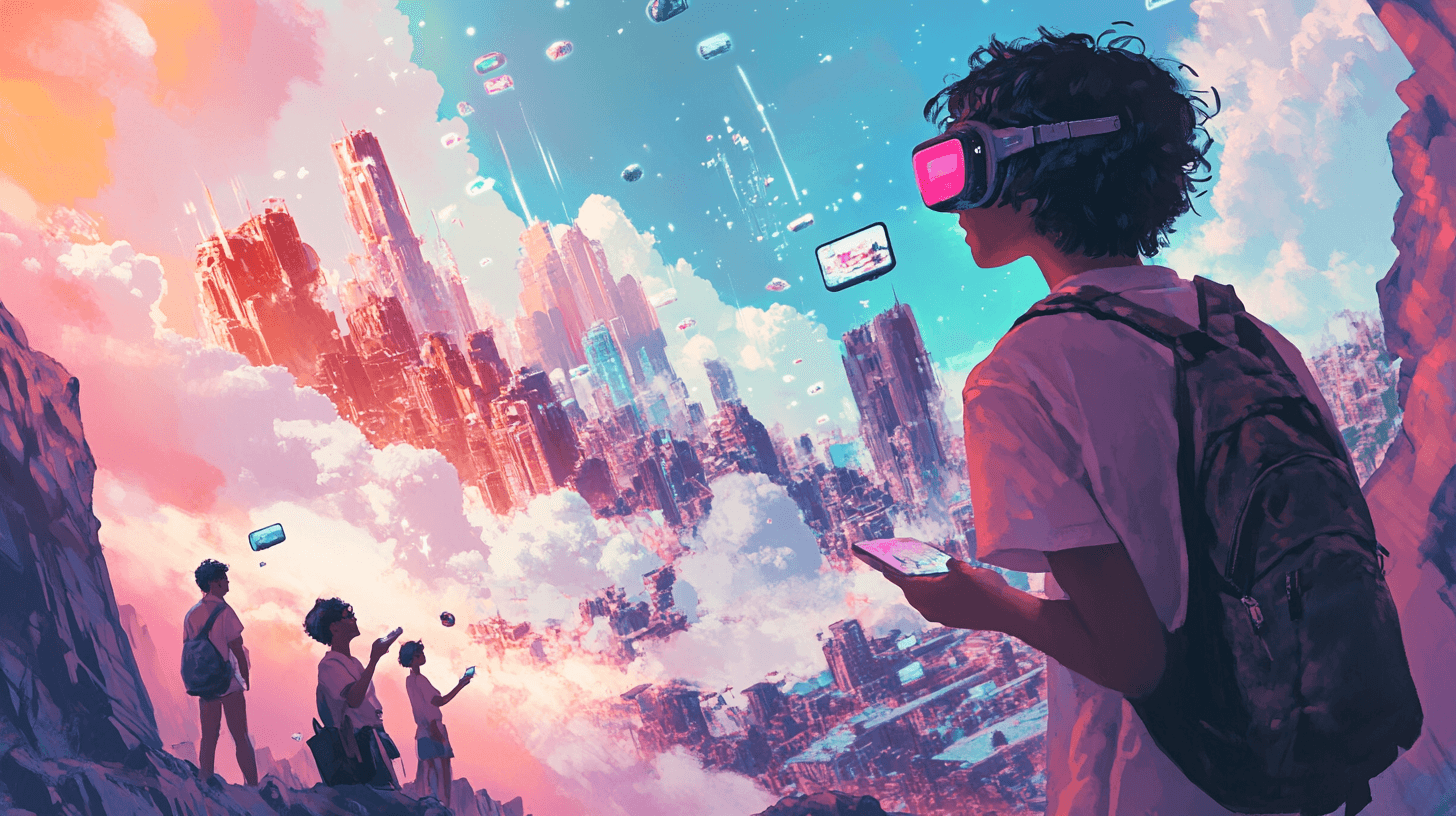
Exploring the Digital Art Revolution: Tools and Techniques for Beginners
Digital art is transforming creative careers worldwide, and this beginner-friendly guide explores essential tools, techniques, and skills to start your digital art journey confidently. The digital art revolution has transformed the way we create, share, and experience art. With the advent of advanced software and powerful hardware, artists can now explore new realms of creativity that were previously unimaginable. For beginners, diving into digital art can seem daunting, but with the right tools and techniques, anyone can start their journey in this vibrant and evolving field.
Understanding Digital Art
Digital art encompasses a wide range of creative practices that use digital technology as an essential part of the creation process. This includes digital painting, 3D modeling, animation, graphic design, and more. The key advantage of digital art is the flexibility and endless possibilities it offers, allowing artists to experiment without the limitations of traditional media.
Essential Tools for Digital Art
1. Graphics Tablet and Stylus
A graphics tablet and stylus are crucial for precision and control, mimicking the feel of drawing on paper. Popular options include Wacom, Huion, and XP-Pen, which offer a range of tablets suitable for beginners to professionals.
2. Digital Art Software
Adobe Photoshop: A versatile tool for digital painting, photo editing, and graphic design. It’s a favorite among professionals but can be complex for beginners.
Corel Painter: Known for its realistic brush simulations, Corel Painter is ideal for those transitioning from traditional to digital painting.
Procreate: An iPad app that has gained popularity for its intuitive interface and powerful features, perfect for on-the-go creativity.
Clip Studio Paint: Highly regarded for comic and manga creation, it also offers robust features for digital painting.
3. Computer or Tablet
A reliable computer or tablet with good processing power and a quality display is essential. Devices like the Apple iPad Pro, Microsoft Surface, or a high-performance laptop/desktop can handle the demands of digital art software.
Techniques for Beginners

1. Learning the Basics
Start with understanding the basics of drawing, such as anatomy, perspective, and color theory. Many online tutorials and courses are available to help build these foundational skills.
2. Experiment with Brushes and Tools
Digital art software comes with a variety of brushes and tools. Spend time experimenting with different settings to understand their effects. Creating custom brushes can also help achieve unique textures and styles.
3. Use Layers Effectively
Layers are a powerful feature in digital art, allowing you to separate different elements of your artwork. Use layers for different parts of your drawing, such as background, foreground, and details, to make adjustments easier.
4. Practice with Simple Projects
Start with simple projects to build confidence and skill. Draw everyday objects, create basic character designs, or replicate existing artworks to understand techniques and workflows.
5. Learn from Others
Join online communities, watch tutorials on platforms like YouTube, and follow digital artists on social media. Engaging with the digital art community can provide inspiration, feedback, and valuable learning resources.
6. Experiment and Have Fun
The digital realm offers limitless possibilities for experimentation. Try different styles, genres, and techniques without fear of making mistakes, as digital art allows for easy corrections and iterations.
The digital art revolution has opened up exciting opportunities for artists of all levels. For beginners, the journey starts with familiarizing oneself with essential tools and mastering fundamental techniques. By exploring various software, practicing regularly, and engaging with the digital art community, aspiring artists can unlock their creative potential and thrive in this dynamic field. Embrace the revolution, and let your digital canvas come to life!
আজকের ডিজিটাল যুগে ইনস্টাগ্রাম বাংলাদেশের সঙ্গীতশিল্পীদের জন্য একটি শক্তিশালী প্ল্যাটফর্ম, যেখানে তারা গান, কনটেন্ট ও ব্যক্তিগত ব্র্যান্ড সহজে দর্শকদের সামনে তুলে ধরতে পারেন। ভক্তদের সাথে যুক্ত হওয়া, প্রতিভা প্রদর্শন এবং ব্র্যান্ড তৈরি সবকিছুর জন্য ইনস্টাগ্রাম অপরিহার্য হয়ে উঠেছে। ছবি, ভিডিও বা লাইভ পারফরম্যান্সের মতো কনটেন্ট দর্শকের দৃষ্টি আকর্ষণ করে, তবে প্রথম ছাপটি আসে ইনস্টাগ্রাম বায়ো থেকে। একটি ভালোভাবে লেখা বায়ো আপনার ব্যক্তিত্ব, স্টাইল ও পেশাদারিত্ব ফুটিয়ে তোলে, তাই এটি আপনার অনলাইন আইডেন্টিটির গুরুত্বপূর্ণ অংশ।
আপনি যদি গায়ক, যন্ত্রশিল্পী, ব্যান্ড মেম্বার অথবা মিউজিক প্রডিউসার হন, তাহলে আপনার বায়ো আপনার শিল্পভাবনা প্রতিফলিত করার পাশাপাশি আপনার সঙ্গীত প্রচারেও সহায়তা করবে। নিচে সঙ্গীতশিল্পীদের জন্য ১০০টি আকর্ষণীয় ইনস্টাগ্রাম বায়ো আইডিয়া দেওয়া হলো, যেগুলোকে আপনি নিজের মতো করে সাজাতে পারবেন।
কেন ইনস্টাগ্রাম বায়ো গুরুত্বপূর্ণ
- প্রথম ইমপ্রেশন: কয়েক সেকেন্ডেই দর্শক বুঝতে পারে আপনি কে।
- ব্র্যান্ড আইডেন্টিটি: আপনার জেনার, এনার্জি ও মূল্যবোধ প্রকাশ পায়।
- প্রমোশনাল টুল: নতুন গান, অ্যালবাম বা ইউটিউব লিঙ্ক শেয়ার করা যায়।
- দর্শকের সাথে সংযোগ: সঠিক শব্দ কৌতূহল ও এনগেজমেন্ট তৈরি করে।
বাংলাদেশি সঙ্গীতশিল্পীদের জন্য ইনস্টাগ্রাম কেবল সামাজিক মাধ্যম নয়, এটি এক ধরনের ডিজিটাল মঞ্চ।
সংগীতশিল্পীদের জন্য নতুন ধরনের ইন্সটাগ্রাম বায়ো হতে পারে;
এক লাইনের ছোট বায়োর পরিবর্তে অনেক সংগীতশিল্পী এখন তাদের বায়োকে গল্প বলার হাতিয়ার হিসেবে ব্যবহার করতে পছন্দ করেন। এই ধরনের অনুচ্ছেদভিত্তিক বায়ো ব্যক্তিত্ব, ব্র্যান্ড পরিচয় এবং সংগীত ভ্রমণকে আরও আকর্ষণীয়ভাবে তুলে ধরে। এখানে কয়েকটি অনন্য উদাহরণ দেওয়া হলো, যেগুলো সহজেই মানিয়ে নেওয়া যায়;
- “আমি একজন বাংলাদেশি গায়ক ও গীতিকার, আমি লোকসংগীতের ঐতিহ্যকে আধুনিক সুরের সাথে মিশিয়ে গান করি। আমার যাত্রা শুরু হয়েছিল নিজের ঘরে গিটার বাজিয়ে কাভার গান দিয়ে, আর আজ আমার গান স্ট্রিম হচ্ছে স্পটিফাই ও ইউটিউবের মতো প্ল্যাটফর্মে। আমি বিশ্বাস করি সংগীত হলো এক সেতু যা, সংস্কৃতির হৃদয়কে যুক্ত করে, আর আমার লক্ষ্য হলো এমন গল্প বলা যা প্রত্যেক শ্রোতার সাথে সুর মেলায়।”
- “সংগীত আমার ডায়েরি হয়ে আছে এক দশকেরও বেশি সময় ধরে। রবীন্দ্রসংগীত থেকে ইন্ডাই পপ মৌলিক গান পর্যন্ত, আমার শিল্পে প্রতিফলিত হয় ঐতিহ্য ও আধুনিকতার মিশেল। আপনি আমাকে হয়তো ঢাকার মঞ্চে বা আপনার ইন্সটাগ্রাম ফিডে দেখতে পাবেন, তবে আমার সুর সবসময় আপনাকে দেবে স্বস্তি, উচ্ছ্বাস ও আশার আলো।”
- “একজন স্বশিক্ষিত প্রযোজক ও পারফর্মার হিসেবে আমি প্রতিদিনের আবেগকে রূপ দিই সুরে। আমার বিট তৈরি হয় ঢাকার রাস্তাঘাটের শব্দ থেকে, কথোপকথনের ছন্দ থেকে, কিংবা রাতের নিস্তব্ধ স্টুডিও থেকে। যদি আপনি খুঁজে থাকেন হৃদয় ছোঁয়া আসল সংগীত, তবে আপনি সঠিক জায়গায় আছেন।”
- “ছোট ক্যাফের অনুষ্ঠান থেকে শুরু করে অনলাইন কনসার্ট, আমি দেখেছি সংগীত কীভাবে অমলিন সম্পর্ক তৈরি করে। এই প্রোফাইল শুধু গান নয়, এটি মুহূর্ত, স্মৃতি আর বার্তার গল্প। আমার যাত্রায় সঙ্গী হোন, যেখানে আমি লিখে চলি এমন লিরিক্স, সুর ও সহযোগিতা যা আজকের বাংলাদেশের প্রতিফলন।”
- “আমি শুধু একজন সংগীতশিল্পী নই, আমি ছন্দের মাধ্যমে গল্পকার। আমার লেখা প্রতিটি সুরে লুকিয়ে থাকে আমার সংস্কৃতি, স্বপ্ন আর সংগ্রামের টুকরো। এই পাতার মাধ্যমে আমি শেয়ার করতে চাই এমন সংগীত যা ব্যক্তিগত অথচ সর্বজনীন, যাতে অনুপ্রেরণা পায় প্রত্যেক সৃজনশীল স্বপ্নপথিক।”
তুলনামূলক বিশ্লেষণ: প্রচলিত বায়ো বনাম অনন্য স্টাইলের বায়ো
প্রচলিত সংগীতশিল্পীর ইন্সটাগ্রাম বায়ো সাধারণত ছোট, আকর্ষণীয় এবং সরাসরি হয়ে থাকে। যেমন; “সুর আর সুরের সাথেই জীবন” অথবা “আবেগে গড়া কণ্ঠ, অনুশীলনে পরিশীলিত” এসব বায়ো কার্যকর কারণ এগুলো দ্রুত পড়া যায়, সহজে মনে রাখা যায় এবং দ্রুত ছাপ ফেলে। যারা তাড়াহুড়া করে স্ক্রল করে, তাদের জন্য এগুলো দারুণভাবে কাজ করে, বিশেষত তরুণ শ্রোতা বা সাধারণ অনুসারীদের জন্য।
তবে নতুন অনুচ্ছেদভিত্তিক বায়ো অন্য উদ্দেশ্যে কাজ করে। এগুলো গভীরতা এবং গল্প দেয়, শ্রোতাদের সামনে তুলে ধরে সংগীতশিল্পীর ব্যাকগ্রাউন্ড, ধারা এবং মূল্যবোধ। বাংলাদেশের উদীয়মান শিল্পীদের জন্য যাঁরা একটি শক্তিশালী ব্র্যান্ড পরিচয় গড়ে তুলতে চান, এই দীর্ঘ বায়ো তাদের শ্রোতার সাথে আবেগী সংযোগ তৈরি করে। গবেষণা বলছে, ডিজিটাল ব্র্যান্ডিং-এ শ্রোতারা দিন দিন বেশি মূল্য দিচ্ছে গল্প বলা এবং স্বচ্ছতাকে। তাই অনুচ্ছেদভিত্তিক বায়ো অনেক সময় বেশি আনুগত্য এবং সম্পৃক্ততা এনে দেয়, যদিও পড়তে একটু বেশি সময় লাগে।
সংক্ষেপে, এক লাইনের বায়ো তাৎক্ষণিক আকর্ষণ তৈরিতে দারুণ, কিন্তু অনুচ্ছেদভিত্তিক বায়ো দীর্ঘমেয়াদী আস্থা এবং ব্র্যান্ড বৃদ্ধি করতে বেশি কার্যকর। একটি ভারসাম্যপূর্ণ কৌশল যেমন ইন্সটাগ্রামে ছোট আকর্ষণীয় লাইন ব্যবহার করা, আর দীর্ঘ বায়ো রাখা ক্রিয়াকারক বা ব্যক্তিগত ওয়েবসাইটে শিল্পীদের জন্য দুই দিক থেকেই সর্বোত্তম সুবিধা এনে দিতে পারে।
ইতি কথা
একজন সঙ্গীতশিল্পীর জন্য ইনস্টাগ্রাম বায়ো কেবল একটি ছোট্ট বর্ণনা নয়; এটি ব্র্যান্ডিং, সংযোগ ও প্রমোশনের শক্তিশালী হাতিয়ার। আপনি যদি ঢাকার একজন গায়ক, সিলেটের একটি ফোক ব্যান্ড, বা আন্তর্জাতিকভাবে কাজ করা কোনো মিউজিক প্রডিউসার হন, সঠিক বায়ো আপনাকে ভিড়ের মধ্যে আলাদা করে তুলতে পারে।
এই ১০০টি উদাহরণ থেকে অনুপ্রেরণা নিন, তবে নিজের প্রকৃত স্টাইল ও পরিচয় প্রতিফলিত করে লিখুন। মনে রাখবেন, আসলত্বই হলো দীর্ঘস্থায়ী সংযোগ গড়ে তোলার মূল।
চলচ্চিত্রের আসল জাদু লুকিয়ে থাকে চিত্রগ্রহণে (Cinematography) কারন এটি শুধু ক্যামেরা চালানো নয় ভিজ্যুয়াল স্টোরিটেলিং-এর শিল্প, যেখানে আলো-ছায়া, ফ্রেমিং এবং ক্যামেরা মুভমেন্ট দিয়ে স্মরণীয়তম দৃশ্য তৈরি করে দর্শককে মুগ্ধ করে রাখা হয়। একজন দক্ষ চিত্রগ্রাহকের হাতে ক্যামেরা শুধু দৃশ্য নয় একটি সম্পূর্ণ অনুভূতি তৈরি করে। এখানে তুলে ধরা হলো বিশ্বের সবচেয়ে প্রভাবশালী এবং সেরা দশজন চিত্রগ্রাহক, যাঁরা তাঁদের কাজের মাধ্যমে সিনেমার ভিজ্যুয়াল ভাষা বদলে দিয়েছেন। এই তালিকায় যেমন আছেন বিশ্বখ্যাত কিংবদন্তিরা, তেমনি রয়েছেন বাংলাদেশি সেরা প্রতিভারাও। প্রতিটি শিল্পীর অবদান, স্বতন্ত্র ধরণ এবং গুরুত্বপূর্ণ কাজ এখানে তুলে ধরা হলো।
রজার ডিকিনস
স্যার রজার ডিকিনস (যুক্তরাজ্য) একজন ইংরেজ চিত্রগ্রাহক, যিনি প্রাকৃতিক আলো ব্যবহার ও নিখুঁত কম্পোজিশনের জন্য বিখ্যাত। তাঁর উল্লেখযোগ্য কাজের মধ্যে রয়েছে Fargo (1996), No Country for Old Men (2007), Skyfall (2012) এবং Blade Runner 2049 (2017)। ডিকিনস প্রথম অস্কার জেতেন ব্লেড রানার ২০৪৯ (Blade Runner 2049) এর জন্য এবং দ্বিতীয়বার জেতেন ১৯১৭ এর জন্য। তিনি বহুবার অস্কার ও বাফটা পুরস্কার পেয়েছেন। তাঁর স্টাইল হলো কাব্যিক, সূক্ষ্মভাবে আলো ব্যবহার এবং মসৃণ ক্যামেরা মুভমেন্ট, যা তিনি প্রায়ই কোয়েন ব্রাদার্স এবং স্যাম মেন্ডেস-এর মতো পরিচালকদের সাথে কাজ করে ফুটিয়ে তুলেছেন।
ইমানুয়েল লুবেজকি
ইমানুয়েল “চিভো” লুবেজকি (মেক্সিকো) প্রাকৃতিক আলো এবং দীর্ঘ একটানা শটের জন্য বিখ্যাত। তিনি একমাত্র চিত্রগ্রাহক যিনি টানা তিনবার অস্কার জিতেছেন Gravity (2013), Birdman (2014) এবং The Revenant (2015) এর জন্য। তিনি প্রায়ই আলফন্সো কুয়ারন ও টেরেন্স মালিকের সাথে কাজ করেন। তাঁর স্টাইলে ক্যামেরা থাকে প্রবাহমান, প্রায়শই হ্যান্ডহেল্ড বা স্টেডিক্যামের সাহায্যে, যা দর্শককে দৃশ্যের ভেতরে নিয়ে যায়।
স্বেন নিইকভিস্ট
স্বেন নিইকভিস্ট (সুইডেন) সিনেমার ইতিহাসে অন্যতম সেরা চিত্রগ্রাহক হিসেবে পরিচিত। পরিচালক ইঙ্গমার বার্গম্যানের সাথে তাঁর কাজ বিশেষভাবে বিখ্যাত। তিনি Cries and Whispers (1972) এবং Fanny and Alexander (1982) এর জন্য দুটি অস্কার জিতেছেন। নিইকভিস্ট আলো ব্যবহারে ছিলেন অনন্য সাধারণ আলোর উৎস দিয়ে আবেগময় দৃশ্য তৈরি করতেন। তাঁর কাজ “পারসনা” ছবিতে ঘনিষ্ঠ ক্লোজ আপের উদাহরণ হয়ে আছে।
ভিটোরিও স্তোরারো
ভিটোরিও স্তোরারো (ইতালি) চলচ্চিত্র ইতিহাসের অন্যতম প্রভাবশালী চিত্রগ্রাহক। তিনি বার্নার্ডো বের্তোলুচি, ফ্রান্সিস ফোর্ড কপোলা এবং উডি অ্যালেন-এর সাথে কাজ করেছেন। স্তোরারো তিনবার অস্কার জিতেছেন Apocalypse Now (1979), Reds (1981) এবং The Last Emperor (1987) এর জন্য। তাঁর কাজ রঙের অভূতপূর্ব ব্যবহার, পেইন্টিং-এর মতো ফ্রেম এবং আলোর কাব্যিক ব্যবহারকে নতুনভাবে সংজ্ঞায়িত করেছে।
রবার্ট রিচার্ডসন
রবার্ট রিচার্ডসন (যুক্তরাষ্ট্র) একজন আমেরিকান চিত্রগ্রাহক, যিনি তীব্র আলো ও হাইলাইট ব্যবহারের জন্য পরিচিত। তিনি অলিভার স্টোন, মার্টিন স্কোরসেসি এবং কুয়েন্টিন ট্যারান্টিনোর মতো পরিচালকদের সাথে কাজ করেছেন। তিনি তিনবার অস্কার জিতেছেন JFK, The Aviator এবং Hugo ছবির জন্য। তাঁর কাজ কখনো বাস্তবসম্মত, কখনো অত্যন্ত স্টাইলাইজড, কিন্তু সব সময় সাহসী।
বেবী ইসলাম
বেবী ইসলাম (আনোয়ারুল ইসলাম, বাংলাদেশ) (১৯৩১–২০১০) বাংলাদেশের অন্যতম পথিকৃৎ চিত্রগ্রাহক। তিনি ঋত্বিক ঘটকের সঙ্গে কাজ করেছেন, যেমন; তিতাস একটি নদীর নাম এবং যুক্তি তক্ক আর গপ্প। তিনি “চরিত্রহীন (১৯৭৫)” ছবির জন্য জাতীয় চলচ্চিত্র পুরস্কার পেয়েছেন এবং আজীবন সম্মাননায় ভূষিত হয়েছেন। তাঁর কাজ প্রাকৃতিক আলো ও সুন্দর কম্পোজিশনের মাধ্যমে বাংলাদেশের চলচ্চিত্রে ভিজ্যুয়াল ভাষার ভিত্তি গড়ে তোলে।
রফিকুল বারী চৌধুরী
রফিকুল বারী চৌধুরী (বাংলাদেশ) (প্রায় ১৯৩০–২০০৫) ছিলেন বাংলাদেশের অন্যতম প্রবীণ চিত্রগ্রাহক ও পরিচালক। তিনি “গোলাপি এখন ট্রেনে (1978)” এবং “জয়যাত্রা”(2004) সহ চারবার জাতীয় পুরস্কার জিতেছেন। তিনি বাংলাদেশের প্রথম টেলিভিশন ক্যামেরাম্যান ছিলেন এবং পরে নিজেই সিনেমা পরিচালনা করেন। তাঁর ভিজ্যুয়াল স্টাইল ছিল পরিশীলিত, নাটকীয় আলো ব্যবহার করে গল্পকে শক্তিশালী করতেন।
মাহফুজুর রহমান খান
মাহফুজুর রহমান খান (বাংলাদেশ, ১৯৪৯–২০১৯) ছিলেন বাংলাদেশের সবচেয়ে সফল চিত্রগ্রাহক। তিনি রেকর্ড ১০ বার জাতীয় চলচ্চিত্র পুরস্কার জিতেছেন এবং ২০০টিরও বেশি ছবিতে কাজ করেছেন। তিনি লেখক-পরিচালক হুমায়ূন আহমেদের সাথে কাজ করেছেন। তাঁর কাজ ছিল বৈচিত্র্যময় একদিকে বাণিজ্যিক, অন্যদিকে শিল্পমূলক চলচ্চিত্রে সমান দক্ষতা দেখিয়েছেন।
শেখ রাজিবুল ইসলাম
শেখ রাজিবুল ইসলাম (বাংলাদেশ) সমকালীন বাংলাদেশের অন্যতম শীর্ষ চিত্রগ্রাহক। তাঁর প্রথম চলচ্চিত্র ডুব: নো বেড অব রোজেস (2017) আন্তর্জাতিকভাবে প্রশংসিত হয়। পরে তিনি কাজ করেছেন নো ল্যান্ডস ম্যান (2020) এবং জনপ্রিয় ওয়েব সিরিজ “মহানগর” এ। তাঁর স্টাইল হলো আবহ তৈরি করা এবং ক্যামেরাকে এমনভাবে ব্যবহার করা যাতে দর্শক চরিত্রের অনুভূতির সাথে একাত্ম হয়।
কামরুল হাসান খসরু
কামরুল হাসান খসরু (বাংলাদেশ) নতুন প্রজন্মের একজন প্রতিভাবান চিত্রগ্রাহক, যিনি আন্তর্জাতিক অঙ্গনে নজর কেড়েছেন। তিনি আদনান আল রাজীব পরিচালিত স্বল্পদৈর্ঘ্য চলচ্চিত্র আলী (2025) এর চিত্রগ্রাহক ছিলেন, যা কানের চলচ্চিত্র উৎসবে প্রদর্শিত হয় এবং বিশেষ সম্মাননা পায়। তাঁর কাজ আধুনিক, রঙ ও আলোর সৃজনশীল ব্যবহার দ্বারা সমৃদ্ধ। কানে স্বীকৃতি পাওয়ার মাধ্যমে তিনি প্রমাণ করেছেন যে বাংলাদেশের চিত্রগ্রহণ বিশ্বমঞ্চে ক্রমেই গুরুত্বপূর্ণ হয়ে উঠছে।
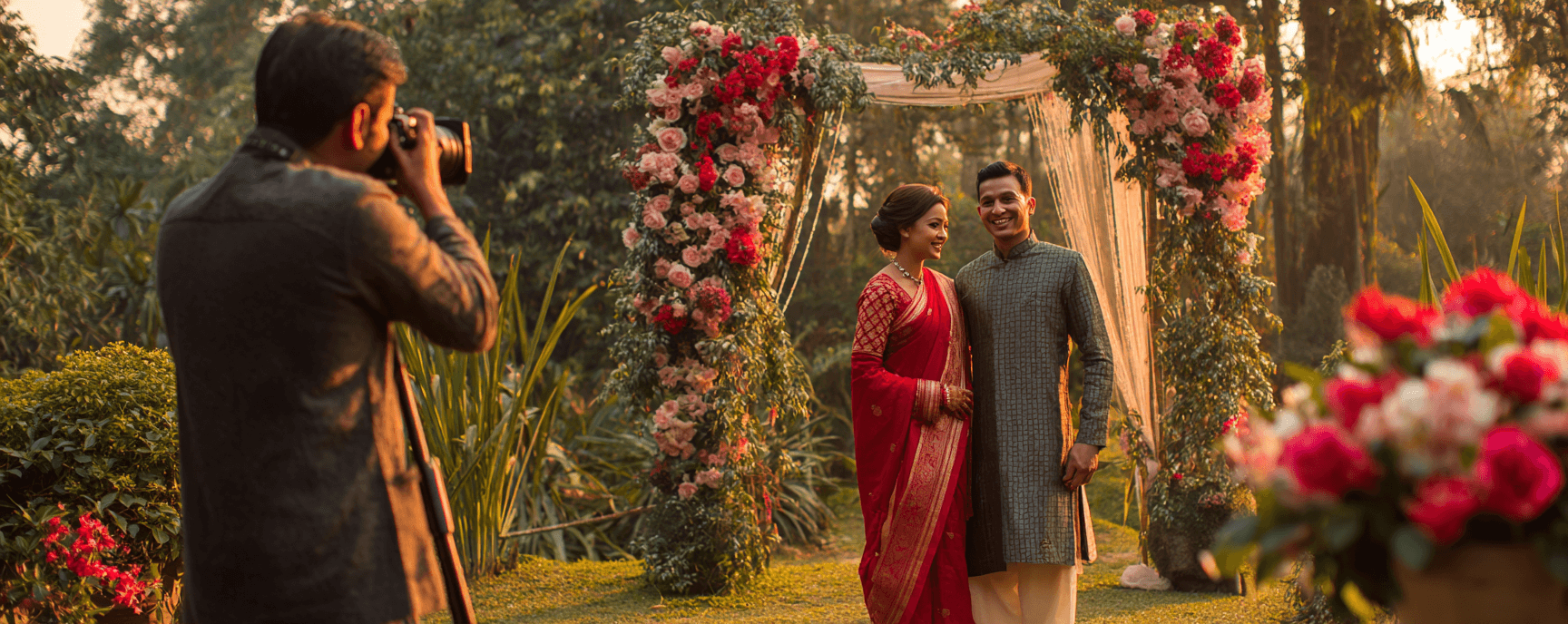
বাংলাদেশে অনেক প্রতিভাবান ওয়েডিং ফটোগ্রাফার আছেন যারা বিয়ে অনুষ্ঠানের আনন্দ, আবেগ এবং সৌন্দর্যকে চমৎকারভাবে ধারণ করেন। ঢাকা শহরের কোলাহল থেকে শুরু করে সিলেট, রংপুর, রাজশাহী, খুলনা এবং দেশের অন্যান্য অঞ্চলে, এই শিল্পীরা সৃজনশীলতা ও দক্ষতার মাধ্যমে অমূল্য মুহূর্তগুলোকে ধরে রাখেন। নিচে বাংলাদেশের বিভিন্ন অঞ্চলের ১০ জন সেরা ওয়েডিং ফটোগ্রাফার/স্টুডিওর নাম দেওয়া হলো। প্রতিটি ফটোগ্রাফারের রয়েছে নিজস্ব ধারা ও আন্তর্জাতিক স্বীকৃতি।
সোহেল আহমেদ (ঢাকা):
ঢাকা ভিত্তিক এই ফটোগ্রাফার ওয়েডিং ফটোগ্রাফিতে তার আবেগপূর্ণ দৃষ্টিভঙ্গির জন্য পরিচিত। তিনি Reels & Stories স্টুডিও পরিচালনা করেন। সোহেলের ক্লায়েন্টরা তার এনার্জি ও একাগ্রতার প্রশংসা করেন। আন্তর্জাতিকভাবে স্বীকৃত, তিনি মাই ওয়েড এ "অত্যন্ত আবেগী ওয়েডিং ফটোগ্রাফার" হিসেবে পরিচিত।
নিপুণ হাজরার ‘জলছাপ ফটোগ্রাফি’ (ঢাকা):
একজন চিকিৎসক থেকে ফটোগ্রাফার হওয়া নিপুণ হাজরা মাত্র চার বছরে ১০০টিরও বেশি বিয়ে কভার করেছেন। তার স্টুডিওর নাম ‘জলছাপ ফটোগ্রাফি” । নিপুণ মূলত প্রচলিত বিয়ে কভার করেন। তার স্টাইল হলো পোর্ট্রেট-ভিত্তিক ও সৃজনশীল।
রাসেম বাপ্পির ‘রেমিনিসেন্স ফটোগ্রাফি’ (চট্টগ্রাম):
চট্টগ্রাম ভিত্তিক রাসেম ব্যাপী একজন পুরস্কারপ্রাপ্ত ফটোগ্রাফার, যিনি রেমিনিসেন্স ফটোগ্রাফি এর সহ-প্রতিষ্ঠাতা। তিনি ডকুমেন্টারি ও ক্যান্ডিড স্টাইলে কাজ করেন এবং এখন পর্যন্ত ৩৫০টিরও বেশি বিয়ের অনুষ্ঠান কভার করেছেন।
সৌরভ দাস (চট্টগ্রাম):
চট্টগ্রাম ভিত্তিক সৌরভ দাস ফটোগ্রাফিকে নিজের আনন্দ ও শান্তির উৎস হিসেবে দেখেন। তার ফটো গ্যালারিতে দক্ষিণ এশিয়ার বিয়ের উজ্জ্বল ও আবেগময় মুহূর্ত ধরা পড়ে।
মনিন রায় (রংপুর):
রংপুরে কাজ করেন মনিন রায়, যিনি আবেগ, গল্প বলা ও শিল্পিত ছবির জন্য পরিচিত। তার স্টাইল আধুনিক প্রযুক্তি ও ক্লাসিক স্টোরিটেলিং-এর মিশ্রণ।
মো. রাহুল সরকার (রাজশাহী):
রাজশাহীর শীর্ষ ওয়েডিং ফটোগ্রাফারদের একজন রাহুল সরকার। তিনি স্থানীয়ভাবে সক্রিয় এবং প্রচলিত বাঙালি বিয়েকে সুন্দরভাবে ধারণ করার জন্য পরিচিত।
মাহফুজ রহমান (সিলেট):
সিলেটভিত্তিক মাহফুজ রহমান তার স্টুডিও মাহফুজ ফটোগ্রাফি পরিচালনা করেন। তিনি ক্যান্ডিড এবং আবেগময় মুহূর্ত ধারণে দক্ষ। মাহফুজ নিজেই বলেন: “আমি ওয়েডিং ফটোগ্রাফার এবং আমি আমার কাজ ভালোবাসি কারণ আমি মানুষের জীবনের অন্যতম গুরুত্বপূর্ণ মুহূর্তগুলো ধারণ করার সুযোগ পাই।”
পিক্সেল এক্স (খুলনা):
খুলনার শীর্ষ ওয়েডিং ফটোগ্রাফি স্টুডিও পিক্সেল এক্স। তারা নিজেদের “বাংলাদেশের সেরা ওয়েডিং ফটোগ্রাফি স্টুডিও” হিসেবে পরিচিত করে। তাদের একটি দল একসাথে বিয়ে কভার করে থাকে।
জাওয়াদ চৌধুরী (Snapshot):
জাওয়াদ চৌধুরী প্রতিষ্ঠাতা এবং প্রধান আলোকচিত্রী, যিনি আলোর নিপুণ ব্যবহার, ক্যামেরার সুনির্দিষ্ট অবস্থান নির্ধারণ এবং অনন্যভাবে চিরন্তন মুহূর্ত ধারণ করার জন্য সুপরিচিত। ২০১০ সালে ক্যারিয়ার শুরু করার পর থেকে তিনি অবিরাম নিষ্ঠা, উদ্ভাবনী কৌশল এবং উন্নত পোস্ট-প্রসেসিং দক্ষতার মাধ্যমে অজ্ঞাতনামা থেকে আন্তর্জাতিক স্বীকৃতি অর্জন করেছেন। তাঁর আলোকচিত্র শুধু ছবি নয়, বরং গল্প বলার মতো ভিজ্যুয়াল আর্ট যা আবেগ জাগায় এবং স্মরণীয় করে রাখে। নিজস্ব স্বাক্ষরধর্মী শৈলীতে সহজেই চেনা যায় এমন কাজের জন্য জাওয়াদ বৈশ্বিক প্রশংসা অর্জন করেছেন। সিডনি, দুবাই এবং যুক্তরাষ্ট্রে বিয়ের ছবি ধারণের মাধ্যমে তিনি আলোকচিত্রের জগতে এক বিশিষ্ট ব্যক্তিত্ব হিসেবে নিজেকে প্রতিষ্ঠিত করেছেন।
আমিন আবু আহমেদ আশরাফ (দোলন)-(চিত্রগল্প):
‘দোলন’ নামেই বেশি পরিচিত আমিন আবু আহমেদ আশরাফ, তিনি চিত্রগল্প এর সহ-প্রতিষ্ঠাতা ও কোর ফটোগ্রাফার। তিনি ওয়েডিং, পোর্ট্রেট, লাইফস্টাইল ও কমার্শিয়াল প্রজেক্টে কাজ করেন। দোলন ক্লায়েন্টের চাহিদা বোঝার পাশাপাশি আধুনিক ট্রেন্ড এবং ডিজিটাল প্ল্যাটফর্ম ব্যবহার করে কাজের পরিধি বাড়াচ্ছেন।